The Chuppah: Meaning, Design and Setup for a Wedding Canopy
What a chuppah symbolizes, who holds its poles, where it falls in the ceremony order, and how BC couples set one up indoors, outdoors or at a vineyard venue.

Emma Hart
Western Weddings & Budget Editor
10 min read
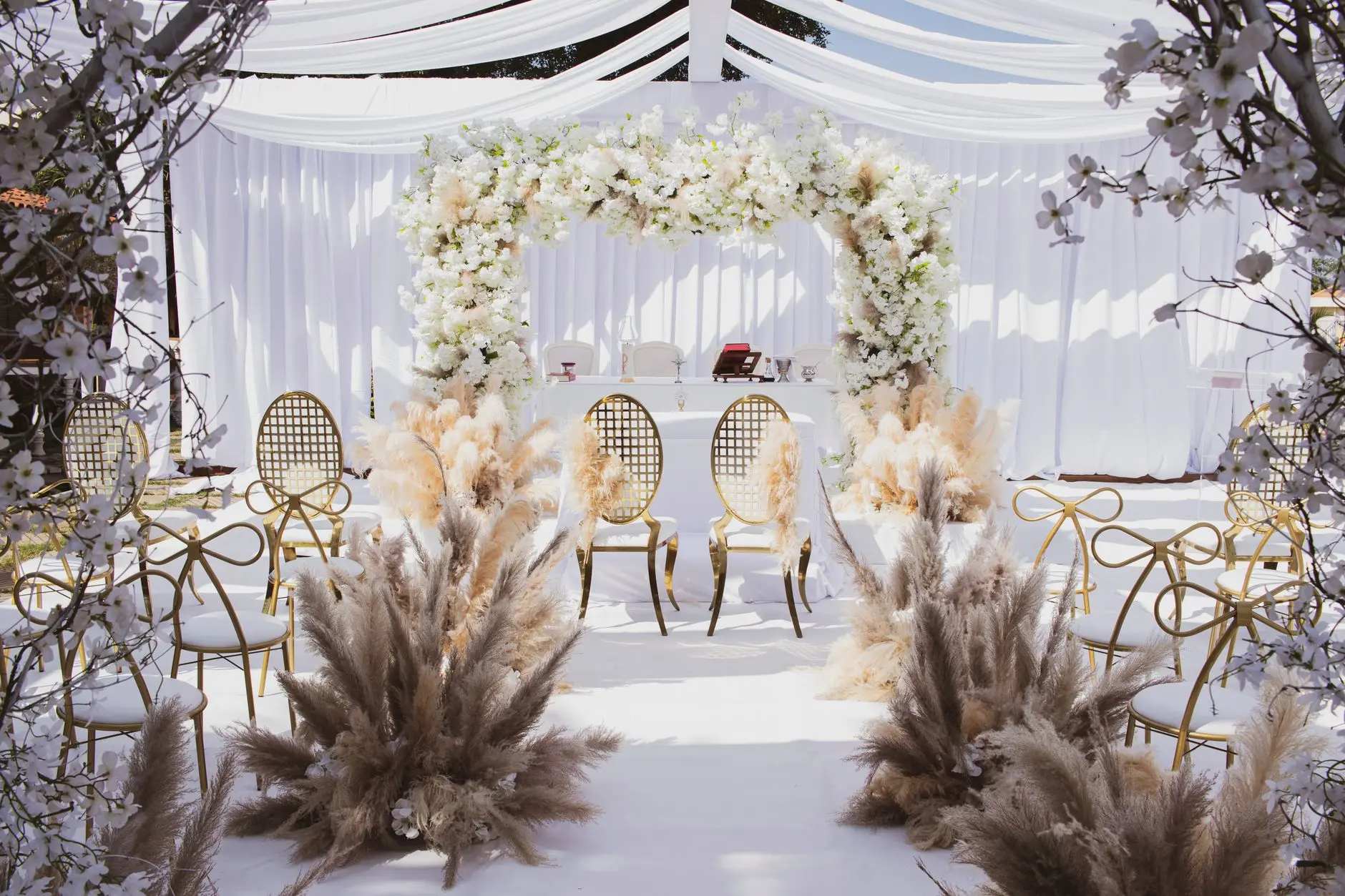
A chuppah is the canopy under which a Jewish couple stands to be married, and it is one of the most recognizable parts of the ceremony even to guests who have never attended one before. It can be as simple as a prayer shawl stretched over four poles or as elaborate as a florist's structure dripping with greenery, but its purpose stays the same: it marks the space where the couple becomes a married pair in front of their community.
For couples planning a wedding in Metro Vancouver, the Fraser Valley or the Okanagan, the chuppah is often the first big design decision after the venue is booked, because it sets the scale and style for everything photographed behind the couple. This guide explains what the chuppah means, what it must include and what is left to family tradition, who stands at its four corners, where it falls in the order of the ceremony, and how to plan one for a BC backyard, vineyard lawn, banquet hall or synagogue.
What is a chuppah and what does it symbolize?
The word chuppah comes from a Hebrew root meaning covering or shelter. In practice it refers to the canopy, usually a cloth stretched over a frame, under which the couple, the officiant and sometimes the couple's parents stand for the wedding ceremony. Many families use a tallit, a fringed prayer shawl, as the actual covering, often one that belongs to a parent or grandparent.
The canopy represents the home the couple will build together. Its open sides are often explained as a symbol of hospitality and welcome, offering shelter without closing the couple off from the people gathered around them. Standing under an open structure in front of family and friends reflects a marriage made in community, with everyone present as witness. Couples and families describe the symbolism differently depending on background and personal belief, and officiants are usually glad to walk a couple through what the chuppah means for their particular ceremony.
What must a chuppah have, and what can vary?
A chuppah needs very little to be considered complete. At its simplest it is a cloth covering held above the couple's heads, supported by four poles, during the ceremony itself. Beyond that, almost everything is a matter of family custom, officiant guidance, or personal taste.
What stays consistent:
- A covering overhead, whether a tallit, a length of fabric, or a floral-covered frame.
- Open sides, which keeps the structure a true canopy instead of an enclosed tent.
- A location central enough that guests on all sides can see the couple.
What varies by family and community:
- Whether the poles are freestanding (set into a stand) or held by four people throughout the ceremony.
- The fabric used, from a treasured family tallit to custom-ordered linen or florals.
- Whether the structure is built from scratch each time or rented as a frame from a florist or event rental company.
Because so much is flexible, two chuppahs at two weddings in the same week can look completely different while serving exactly the same ceremonial role.
Who holds the chuppah poles?
When a chuppah is not freestanding, four people are chosen to hold its poles for the length of the ceremony. This is considered an honour, and couples typically ask close family members, such as grandparents, siblings, aunts or uncles, or sometimes close friends, to take a corner each. Some couples divide the honour between both families, two poles per side, as a way of visually joining the two families at the ceremony's centre.
Pole holders generally stand still and quiet for the duration of the ceremony, which can run anywhere from 15 to 30 minutes depending on how much is included. Because of this, many families now rent a freestanding chuppah frame instead, which frees up those honoured guests to simply stand nearby, or allows the role to be symbolic for only part of the ceremony, such as the procession, before the frame takes over for the rest.
Where does the chuppah fit in the order of the ceremony?
The chuppah serves as the stage for most of the ceremony, with several distinct rituals happening within it or just before the couple steps under it.
A typical order looks like this:
- Bedeken, the veiling ceremony, happens before the couple walks to the chuppah. The groom (or in some ceremonies, both partners) approaches the bride, who may be veiled at this point, as a way of confirming identity before the vows, a custom tied to the biblical story of Jacob being married to the wrong sister.
- Ketubah signing often takes place just before the ceremony, sometimes at the bedeken, where the marriage contract is signed in front of witnesses. The ketubah is frequently read aloud under the chuppah itself.
- Procession to the chuppah, where the couple, and often both sets of parents, walk down the aisle to join the officiant at the canopy.
- Circling, in which one or both partners circle each other at the chuppah, a number of times that varies by family custom, sometimes three, sometimes seven, and sometimes split between both partners circling each other equally.
- Blessings and vows, including blessings over wine and the exchange of rings.
- Sheva Brachot, the seven blessings, recited by the officiant or by several honoured guests called up one at a time.
- Breaking of the glass, usually done by the groom or by both partners together, stepping on a glass wrapped in cloth, which prompts the crowd to call out "Mazel tov" and signals the ceremony is complete.
Families and officiants adjust the order and the number of elements included, so no two ceremonies run in exactly the same sequence, but the chuppah itself stays the physical anchor for all of it.
Does a chuppah have to be outdoors or open-air?
No. A chuppah simply needs to be a covering with open sides, and it can be set up indoors in a hotel ballroom or community hall just as easily as on a lawn. What matters more than location is that the structure stays open on its sides rather than closed in like a tent.
Indoor chuppahs are common for winter weddings or venues without reliable outdoor space, and they give couples more control over lighting, floor coverings and backup weather. Outdoor chuppahs are popular across the Lower Mainland and Okanagan in the warmer months, especially at vineyard and garden venues where the backdrop of mountains, vines or water adds to the photos without extra decor.
Who pays for the chuppah, and who sets it up?
There is no fixed rule about who covers the cost of the chuppah. In many families it falls under general ceremony decor and is paid for the same way as flowers, aisle decor and seating, drawing from whichever budget line the couple and their families have agreed covers ceremony styling. Some families contribute the tallit itself as a gift, in which case only the frame, flowers and setup are a rental or purchase cost.
Setup is usually handled by a florist, an event rental company, or in some cases family members assembling a simple pole-and-cloth structure themselves the morning of the wedding. Couples working with multiple vendors, florist for the covering and rental company for the frame, should confirm who is responsible for anchoring the structure, especially outdoors, so nothing is left unaddressed on the wedding morning.
How do BC couples handle chuppahs for outdoor and indoor venues?
Weather in this part of the province plays a real role in chuppah planning. A vineyard ceremony in the Okanagan in July needs a structure that can handle wind and full sun, while a backyard ceremony on the coast in September needs a rain contingency even on a forecast that looks clear. Couples hosting outdoors should always confirm with their rental company whether the frame is freestanding with weighted bases or needs to be staked into turf, and should have a plan B tent or indoor space ready regardless of season.
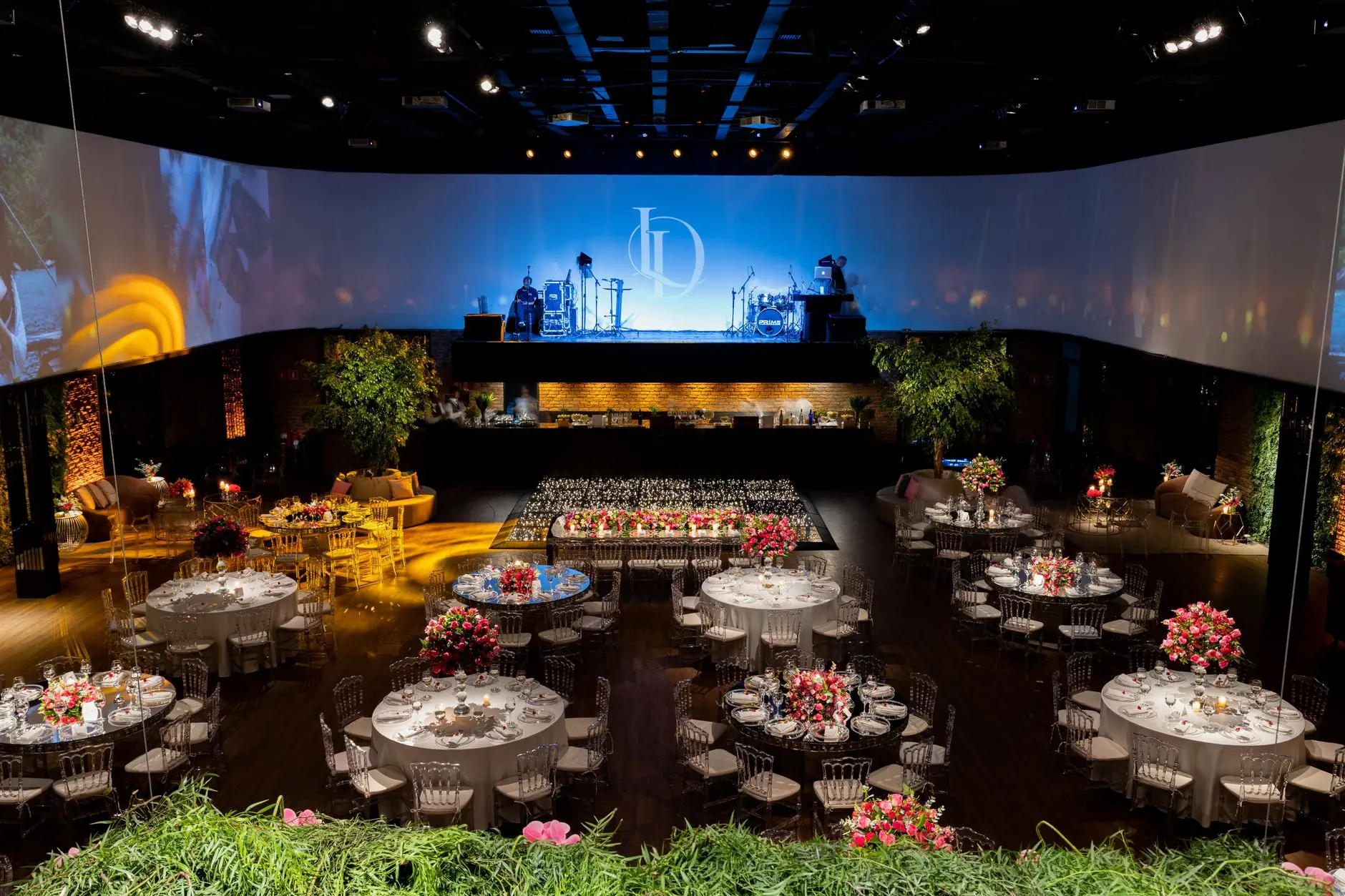
Indoor chuppahs set up in a hall or hotel ballroom avoid weather concerns entirely but need attention to ceiling height, lighting angles and sightlines, since guests seated further back need a clear view over the heads of those in front. Couples combining a chuppah with other cultural or family traditions, which is increasingly common in mixed-heritage BC weddings, often work with their officiant and decor team early to make sure the chuppah's placement does not conflict with other ceremony elements planned for the same space. For couples navigating two traditions in one ceremony, the guide to cross-cultural wedding styling covers how families blend structures and customs without either side feeling like an afterthought, and the outdoor summer wedding styling guide has more detail on weather planning for BC ceremony sites.
Decor and styling for a chuppah
A chuppah frame is only the start. Most of the visual impact comes from what surrounds it: flanking florals, aisle lighting, and small details that carry the eye toward the couple without crowding the structure itself. OWC Decor, based in Fort Langley and serving Metro Vancouver, the Fraser Valley and the Okanagan, carries several pieces that work well around a chuppah setup.
The Gold Arch Backdrop is a 7.2-foot metal arch that can be dressed with florals, greenery or fabric draping to stand in as the chuppah frame itself or as a secondary arch near the ceremony entrance. Flanking the structure with the Elegant White Wooden Display Plinth, 42" and the Elegant White Wooden Display Plinth, 36" gives a couple a simple way to layer floral arrangements at two different heights on either side of the canopy. For outdoor ceremonies where shade or a weather backup matters, the Stylish 7' Ivory Fringe Umbrella comes with grass anchors for secure lawn placement and photographs well against greenery or vines. Along the aisle leading to the chuppah, the White Floral Boho Lantern holds a candle or LED light and casts soft shadow patterns as guests take their seats, and the Elegant Glass Pillar Candle Holders add low, warm light at the base of plinths or aisle markers without competing with the floral focal point. Couples can browse the full collection for additional pieces to round out the ceremony space.
Frequently Asked Questions
Does every Jewish wedding have a chuppah?
A chuppah appears in nearly every version of this ceremony, though its size, materials and construction vary widely by family and community. Couples should confirm with their officiant what their particular ceremony requires, since expectations differ between families even within the same community.
Can a chuppah be reused from a family member's wedding?
Yes, and many families consider this meaningful rather than purely practical. A tallit or cloth covering passed down from a parent or grandparent is common, often paired with a newly built or rented frame.
How long does the ceremony under the chuppah usually last?
Ceremony length varies depending on how many elements a couple includes, but 15 to 30 minutes is typical once the couple reaches the canopy. Officiants can give a more exact estimate once the order of service is finalized.
Do guests stand or sit during the chuppah ceremony?
Guests are almost always seated for the ceremony itself, with chairs arranged facing the chuppah from the front. Pole holders, if the structure is not freestanding, are the main people standing throughout.
What happens to the chuppah after the ceremony?
In most cases the structure is dismantled or relocated once the ceremony ends, especially if the reception follows in the same space. Rental companies typically handle breakdown as part of setup, while a family-owned tallit is simply folded away to be kept for future use.
Is a chuppah only used in religious ceremonies?
Chuppahs are specific to Jewish wedding ceremonies, though couples with mixed heritage sometimes incorporate one alongside traditions from another background as part of a blended ceremony. Couples in that situation generally plan closely with their officiant and decor team to keep each element distinct and well placed.
Can a chuppah be set up indoors at a BC hotel or hall?
Yes, a chuppah only needs open sides and a covering overhead, which works as well indoors as outside. Indoor setups avoid weather risk entirely and give more control over lighting and floor space.