The Walima: The Wedding Feast After the Nikah, Explained
A clear guide to the walima, the groom's family's wedding feast after the nikah: who hosts, when it happens, what to wear, and how BC families style it.

Priya Iyer
South Asian Weddings Editor
10 min read
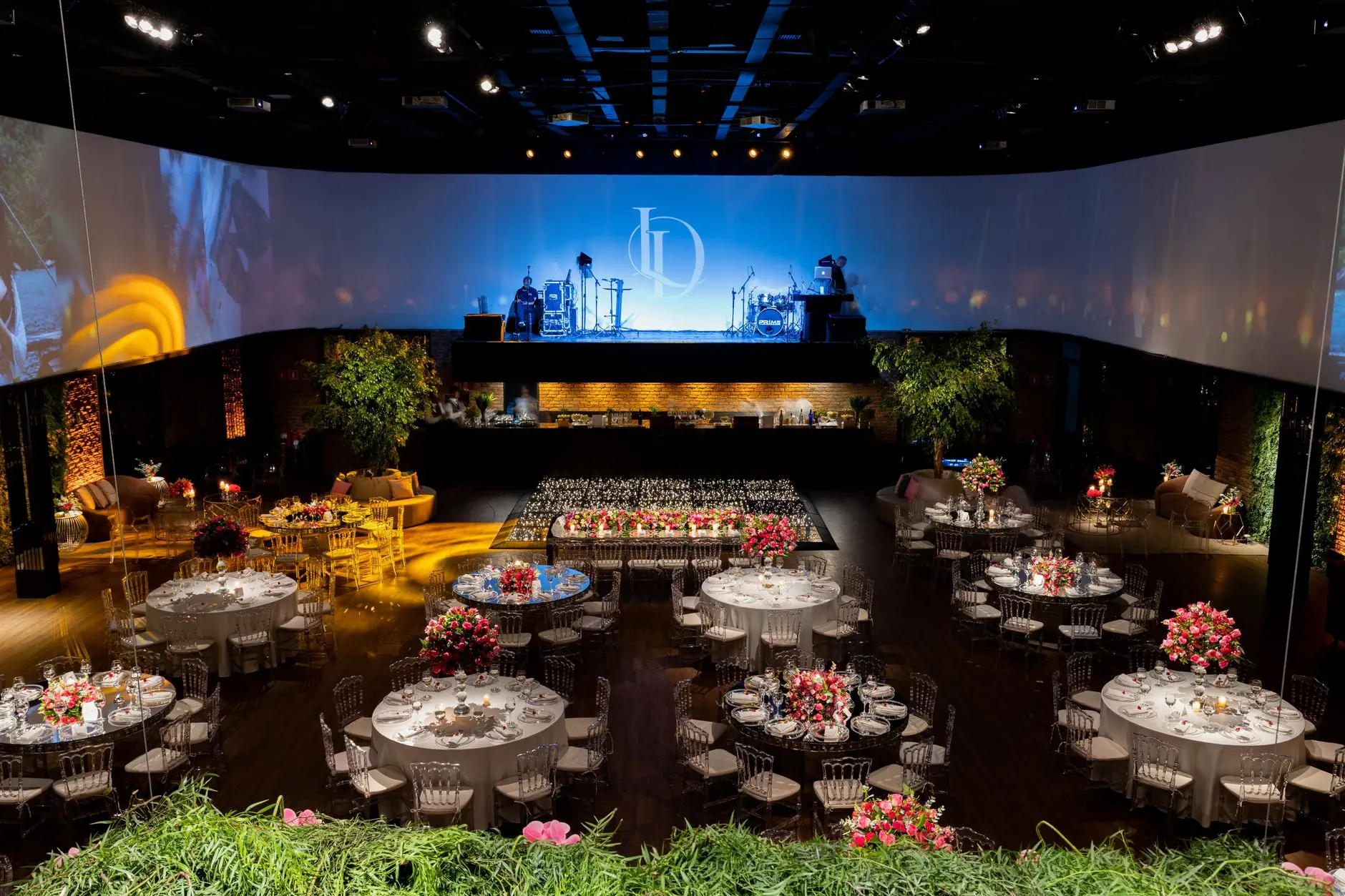
A walima is the wedding feast hosted by the groom's family after the nikah, the marriage contract that formally joins the couple, to publicly celebrate and announce the marriage to community, friends and extended family. It is the event most guests think of when they picture a South Asian wedding reception: a banquet hall full of round tables, a decorated stage for the couple, a long dinner service, and speeches that formally welcome the bride into her new family. For families across Metro Vancouver, the Fraser Valley and the Okanagan, the walima is often the largest single gathering of the wedding, the one where distant relatives, coworkers and community members are invited alongside close family.
Because the nikah can be a smaller, more private signing, sometimes attended only by immediate family and witnesses, the walima is where the marriage becomes visible to the wider circle. It carries real religious weight, tracing back to the example of the Prophet Muhammad, who held a walima after his own marriages, but in daily life it functions much like any large wedding reception: a seated dinner, a stage, music or recitation depending on the family's preference, and a guest list that can run into the hundreds. Understanding who hosts, when it happens and what is expected of guests helps both families and invitees plan with confidence.
This guide walks through the order of a walima, who typically pays, timing conventions, dress and etiquette, and how BC families are styling their halls for this event today.
What is a walima?
The word walima comes from Arabic and refers specifically to the wedding feast held after a marriage has been contracted through the nikah. The nikah itself is the legal and religious ceremony: an officiant, two witnesses, a mahr (a gift or sum agreed upon by the groom to the bride), and the signing of the marriage contract. The walima follows, sometimes the same day and sometimes later, and serves a social and celebratory purpose once the contractual part of the marriage is already settled.
In South Asian communities, the walima is usually the groom's family's answer to events the bride's family may host earlier in the week, such as a mehndi or a smaller nikah gathering. Families with roots in Pakistan, Bangladesh, India and across the South Asian diaspora in BC all observe the walima, though the scale, music, and exact sequence of the evening vary by family, region and how religiously observant the household is. Some walimas include a short Quran recitation or a dua (a prayer) before dinner; others move straight into speeches and the meal.
Who hosts and pays for the walima?
Tradition places the walima squarely with the groom and his family. Historically, the groom's household covered the cost of the hall, food and decor as a gesture of welcoming the bride into the family and announcing the union to their own social circle. This division often sat opposite the bride's family hosting earlier functions like the mehndi or an engagement gathering.
In practice today, many BC families split costs differently than tradition suggests. Couples who are paying for their own wedding, blended families, and families balancing two sets of relatives spread across the Lower Mainland and the Okanagan often pool resources and share expenses instead of following a strict groom-pays rule. Some families host a joint reception that folds the walima into a single combined event with the bride's side, particularly when logistics or budget make two separate large gatherings impractical. None of these variations are wrong; they reflect how families are adapting a long-standing custom to modern household economics and blended wedding calendars.
When does the walima happen?
Classical guidance places the walima within the days immediately following the nikah, historically tied to the consummation of the marriage. Few families today follow that timing literally. Instead, the walima is scheduled for whatever date works for venues, out-of-town guests and the broader wedding calendar, which in BC often means a weekend evening to make travel easier for relatives coming from Calgary, Toronto, or further afield.
Some families hold the walima the same evening as the nikah, treating it as one long day that moves from contract signing to feast. Others separate the two by several days or even weeks, especially when the wedding includes a baraat (the groom's procession) and a separate nikah ceremony earlier in the week. It is common in the Lower Mainland for the walima to land on a Saturday evening, since hall availability and guest schedules make weekends the most practical choice.
What happens at a walima?
A walima generally follows a predictable shape, though families adjust the order to suit their own traditions and the size of the gathering.
- Guest arrival and seating. Guests arrive at the hall, often over a window of thirty minutes to an hour, and are seated at assigned or open tables.
- Couple's entrance. The bride and groom are introduced and take their seats on a decorated stage or sweetheart table, sometimes with close family seated nearby.
- Recitation or dua. Some families open the formal part of the evening with a short Quran recitation or a dua for the couple, read by an elder or imam.
- Speeches and welcome. Parents, siblings or close friends may speak briefly to welcome the bride into the family and thank guests for attending.
- Dinner service. A seated or buffet-style halal dinner is served, often with multiple courses reflecting the family's cultural background, whether Pakistani, Bangladeshi, or another South Asian cuisine.
- Photos and mingling. Guests take photos with the couple throughout the evening, often at a designated photo area near the stage.
- Cake cutting or closing. Many modern walimas end with a cake cutting, dessert service and final photos before guests depart.
Families who prefer a quieter, more religiously focused event may skip music and dancing altogether; others incorporate a DJ or live performance, particularly for younger couples blending South Asian and Western wedding formats.
What do guests wear to a walima?
Guests dress in festive formal attire, generally more subdued than the baraat or an evening wedding reception but still celebratory. Women commonly wear shalwar kameez, sarees, or formal gowns with modest necklines and sleeves, often paired with a dupatta. Men typically wear a sherwani, a formal suit, or a kurta pajama with a blazer. Bright jewel tones, gold accents and rich fabrics are all appropriate; white is usually avoided, since it is associated with the bride.
Guests attending a walima hosted by a more religiously observant family should lean toward higher necklines and longer hemlines out of respect, even if the invitation does not state a dress code explicitly. When in doubt, checking with the hosting family or a close relative beforehand is the most reliable way to match the tone of the event.
What is guest etiquette at a walima?
Arriving within the stated window, even if the program starts a little later than printed, shows respect for the family's planning. Gift-giving customs vary by family: some expect a cash gift in an envelope, often an amount in odd numbers considered auspicious, while others register for household items or prefer no gifts at all. Asking a close relative of the couple ahead of time avoids guesswork.
Because the walima is often the largest and most public event of the wedding, guests should expect a seated dinner with assigned or semi-assigned tables, and should avoid rearranging seating without checking with hosts. Photography is usually welcome, though guests should be mindful during the recitation or dua if one is included, pausing photos and conversation out of respect. Food is halal as a matter of course, so dietary questions from guests typically concern allergies, since the religious requirement is already built into the menu.
How do BC families host a walima today?
Metro Vancouver, the Fraser Valley and the Okanagan all have active South Asian communities who observe the walima, and celebrations here reflect a mix of tradition and practical adaptation to Canadian venues and seasons. Banquet halls remain the most common setting, chosen for their capacity, catering kitchens and stage space, with many families booking well ahead for summer and early fall weekends when demand across all wedding traditions is highest.
Home and backyard walimas are also common, particularly for smaller gatherings or families who want more control over catering and guest flow. In the Fraser Valley and parts of the Okanagan, where backyard space is more available than in dense urban Vancouver, some families set up a marquee or large tent for a summer walima, pairing it with rented tables, linens and a styled stage instead of a full hall rental. Winter walimas in the Lower Mainland tend to move entirely indoors, with lighting and decor doing more of the work to create warmth since outdoor space is less of an option.
Families planning a walima alongside other wedding events, such as a baraat or mehndi, often find it useful to map the whole week before booking anything. A multi-day wedding planning guide can help with sequencing events and avoiding scheduling conflicts between venues and vendors.
Decor and styling for a walima
A walima stage and head table usually sit at the centre of the room's design, since the couple is seated and visible for most of the evening. A Luxury Three Panel Backdrop with Working Lamps creates a tall, warmly lit focal point behind the couple's seating, standing roughly 8 feet with built-in lamps that cast their own ambient light and reduce reliance on overhead venue lighting. For a cleaner, more modern stage, the Gold Arch Backdrop offers a 7.2-foot arch that can be dressed with florals, draping or signage to suit the family's palette.
Guest tables benefit from layered lighting and texture across several smaller touches instead of one large centrepiece. The Elegant Brown Velvet Table Runner adds warmth and richness across banquet tables and photographs well under hall lighting, while Amber Rippled Tealight Candle Holders cast a golden glow that suits the evening, feast-style mood of a walima dinner. For halls with many tables, Golden Acrylic Arch Table Numbers (1 to 10) keep large guest counts organized, with matching 11 to 20 and 21 to 30 sets available for bigger receptions. A Gold Arched Acrylic Guestbook Sign at the entrance gives guests a clear, coordinated spot to leave well wishes before they find their seats.
OWC Decor, based in Fort Langley and serving Metro Vancouver, the Fraser Valley and the Okanagan, rents these backdrops, linens, candle holders and signage pieces individually, which makes it straightforward to build a cohesive look for a walima hall without committing to a full package. Families styling both a nikah and a separate walima sometimes rent complementary pieces for each event to keep a consistent colour story across the week. Browse the full collection to see what pairs well with your hall's existing colours and lighting.
Families comparing decor approaches across different wedding events may also find it useful to read about baraat traditions or how wedding budgets are typically divided across a multi-event South Asian wedding.
Frequently Asked Questions
Is a walima the same as a wedding reception?
It serves a similar social function, a large gathering with dinner, speeches and photos, but it specifically marks the period after the nikah has been completed. A Western-style reception does not follow a prior contract-signing ceremony in the same way.
Can the nikah and walima happen on the same day?
Yes, many families hold both on the same day, often with the nikah in the afternoon and the walima that evening. Others space them out by days or weeks depending on guest travel and venue availability.
Do non-Muslim guests need to follow specific etiquette?
Dressing modestly and respectfully, arriving on time, and pausing during any recitation or dua are appreciated by hosting families. Beyond that, a walima welcomes guests from any background, and hosts are generally happy to answer questions about customs.
Is alcohol served at a walima?
No. Halal catering and an alcohol-free bar are standard at a walima regardless of how formal or casual the rest of the evening feels.
How many guests typically attend a walima in BC?
Guest counts vary widely by family size and community, ranging from intimate gatherings of under 100 to large celebrations well into the hundreds. Hall capacity and catering budgets usually shape the final number more than any fixed tradition.
What is the difference between a walima and a mehndi?
A mehndi is typically a pre-wedding event centred on henna application, music and the bride's family, held before the nikah. The walima comes after the nikah and is hosted by the groom's family as the formal public celebration of the completed marriage.
Should the couple's stage decor match the rest of the hall?
It helps visually, though it does not need to match exactly. Many families choose a stage backdrop in a colour that complements the linens and lighting throughout the room so photos feel cohesive without every element being identical.