The Choora Ceremony: Red Bangles and Kaleeras Explained
What the choora ceremony is, who gives the bangles, the milk soak, kaleeras, and how BC families stage this Punjabi wedding morning ritual at home.

Priya Iyer
South Asian Weddings Editor
10 min read
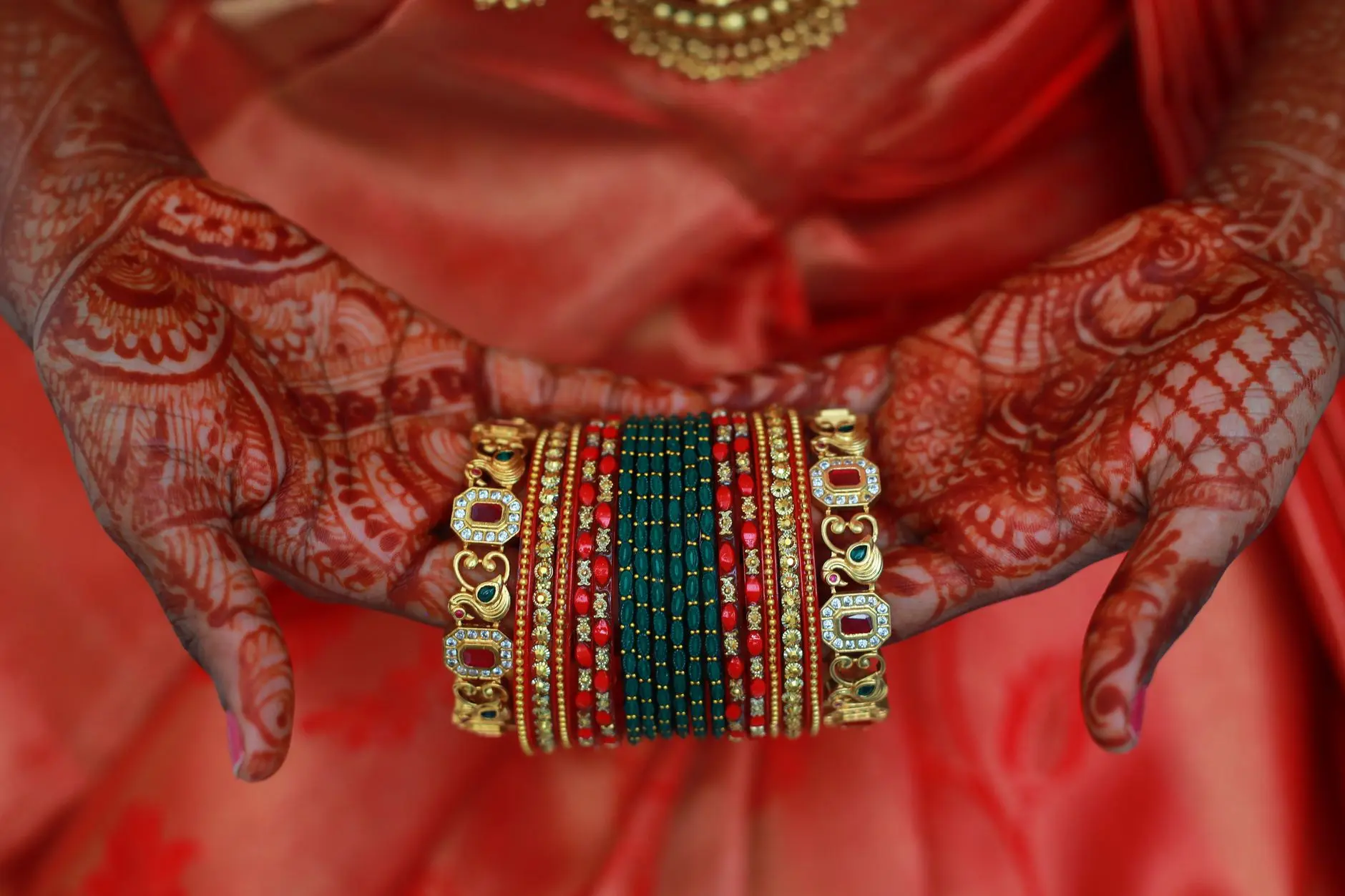
The choora ceremony is the morning a Punjabi bride receives the set of red and ivory bangles she will wear through her wedding day and into the early months of married life. It is one of the most photographed moments of a Punjabi wedding, not because it is elaborate, but because it is quiet and specific: a maternal uncle sliding bangles onto his niece's wrists while the women around her hold her hands steady and sing. For families in Metro Vancouver, the Fraser Valley and the Okanagan, the choora ceremony is usually a small home gathering on the morning of the wedding or the day before, held in a living room or backyard instead of a rented hall.
The word choora (also spelled chura or chooda) refers specifically to the bangle set itself, traditionally a stack of ivory and red glass or plastic bangles that cover the forearm. The ceremony around it has its own name in some families, the choora ceremony or chooda rasam, and it sits inside the larger block of Punjabi pre-wedding rituals alongside the mayian and the sangeet. This guide walks through what happens, who is responsible for what, and how to think about hosting it well in a BC home.
What is the choora ceremony?
The choora ceremony is the ritual presentation and placing of the bridal bangles on a Punjabi bride, a custom shared by Sikh and Hindu families, on the morning of her wedding or sometimes the evening before. The bride sits while her maternal uncle (her mama) places the bangles on her wrists one by one, and other family members assist by holding her hands up so she cannot see or touch the bangles as they go on. Some families follow the bangles with the tying of kaleeras, decorative ornaments hung from the wrist, in the same sitting.
The ceremony is brief, often 20 to 30 minutes, but it carries weight because of who is present and what the bangles represent. The bride is dressed for the day already, usually in her wedding colour or a coordinating outfit, and the room is arranged so family can gather close and take photos as the uncle works down each wrist.
Who gives the bride her choora?
The choora is traditionally given by the bride's maternal uncle, her mama, and his wife, her mami. This is one of several Punjabi wedding customs that assigns a specific duty to the mother's side of the family, and it reflects the maternal uncle's role across many rituals in Punjabi culture, from childhood ceremonies through to the wedding itself.
In practice today, families adapt this depending on who is available. If the bride does not have a living maternal uncle, an older male relative on the mother's side, a cousin, or in some families a close family friend may step in and is still referred to as filling the mama's role for the day. The bangles are typically purchased and brought by the mama's family as a gift. Families treat this purchase as part of the mama's contribution to the wedding, separate from what the bride's immediate household buys for her.
Why is the choora soaked in milk and rose petals?
Before the ceremony begins, the bangles are soaked in a bowl of milk, sometimes with rose petals floated on top, for a short period, often overnight or for a few hours that morning. Families describe this as a way of cleansing and blessing the bangles before they touch the bride's skin, and the milk and petals are also meant to soften the colour and make the bangles smoother to slide on.
The bowl is usually kept nearby during the ceremony itself, sometimes placed at the bride's feet or on a small table beside her chair, and it becomes a visual element in photographs alongside the bangles and the shagun thali, the decorated tray used for blessings and gifts throughout Punjabi wedding rituals. Practice around the exact ritual meaning of the milk soak varies by family and region, and some households treat it as a practical softening step more than a formal rite, so it is worth asking older relatives how their own family explains it.
What are kaleeras and the kaleera-shaking tradition?
Kaleeras are decorative gold or silver ornaments, traditionally shaped like small umbrellas or bells, tied to the choora bangles so they hang down from the bride's wrists. They are usually gifted and tied by the bride's maternal aunts, married female cousins, or close married women in the family, and a bride may end up with kaleeras from several different relatives tied in a cluster on each arm.
Once the kaleeras are in place, the bride is often brought outside or into an open area of the home, and her unmarried female cousins and friends gather around her. The bride shakes her hands or sways her arms over the heads of the unmarried women, and whoever a kaleera falls on, or whoever is standing closest when it falls, is said to be the next among the group to marry. Some families treat this lightheartedly as a bit of wedding-morning fun, while others follow it with more intention, and both approaches are common across Punjabi households in BC.
How long does a bride wear the choora?
There is no single fixed rule for how long a bride keeps her choora on, and practice differs by family, region and personal preference. Many brides wear the bangles for 40 days after the wedding, a period that comes up often in Punjabi tradition as a marker for several post-wedding customs. Other families say a bride should wear the choora until her first wedding anniversary, and some leave the decision to the bride herself, based on when the colour fades or when she feels ready to put them away.
A few customs attach to the removal itself. In some families, the choora is formally taken off during a small ceremony with close family present, sometimes alongside a gift of new jewellery from the husband's side to mark the transition. In others, it is removed quietly without ritual once the bride decides the time feels right. None of these variations is more correct than another, and couples and families in BC should feel free to follow whatever their own family has done before them.
How do families stage the choora ceremony at home?
Because the choora ceremony is intimate, most families in the Lower Mainland and the Okanagan hold it at home rather than at a hall or banquet venue, often in a living room, a finished basement, or a backyard if the weather cooperates. A few practical points come up again and again when families plan the morning:
- Seating for the bride. The bride needs a comfortable chair or small loveseat positioned so the uncle can reach both of her wrists easily and the room can gather around her for photos. Many families raise this seat slightly or place it in front of a simple backdrop so it reads clearly in video and photos.
- A clear spot for the milk bowl. Keep a small table or low stool near the bride's seat for the bowl of milk and rose petals so it is not held awkwardly during the ceremony.
- Light that flatters skin tones and gold. Morning light through a window works well, but many homes supplement it with warm lamps since the ceremony often happens early and rooms can be dim.
- Space for the kaleera shake. If the family plans to do the kaleera-shaking tradition, leave an open patch of floor or move the gathering briefly to a backyard or driveway so the unmarried cousins have room to stand in a circle.
- A photographer or videographer positioned early. The moment the uncle places the first bangle happens quickly, so whoever is documenting the day should be in position before the ceremony starts rather than catching it midway.
Many families combine the choora ceremony with other wedding-morning rituals happening in the same house, which means the living room or backyard often needs to transition quickly from one setup to another over the course of the day.
Decor and styling for the choora ceremony
The styling goal for a choora ceremony is warmth and a clear focal point. The moment itself is short, and the camera needs to find the bride easily, so a full stage set is not necessary. An Ivory Velvet Scalloped Loveseat gives the bride a seat with enough presence to anchor photos, with its scalloped back, curved arms and gold legs reading well against both bright and muted wedding colours. Behind her, the Luxury Three Panel Backdrop with Working Lamps stands about 8 feet tall with built-in working lamps, which helps fill a living room with soft light even in the early morning hours when many choora ceremonies take place.
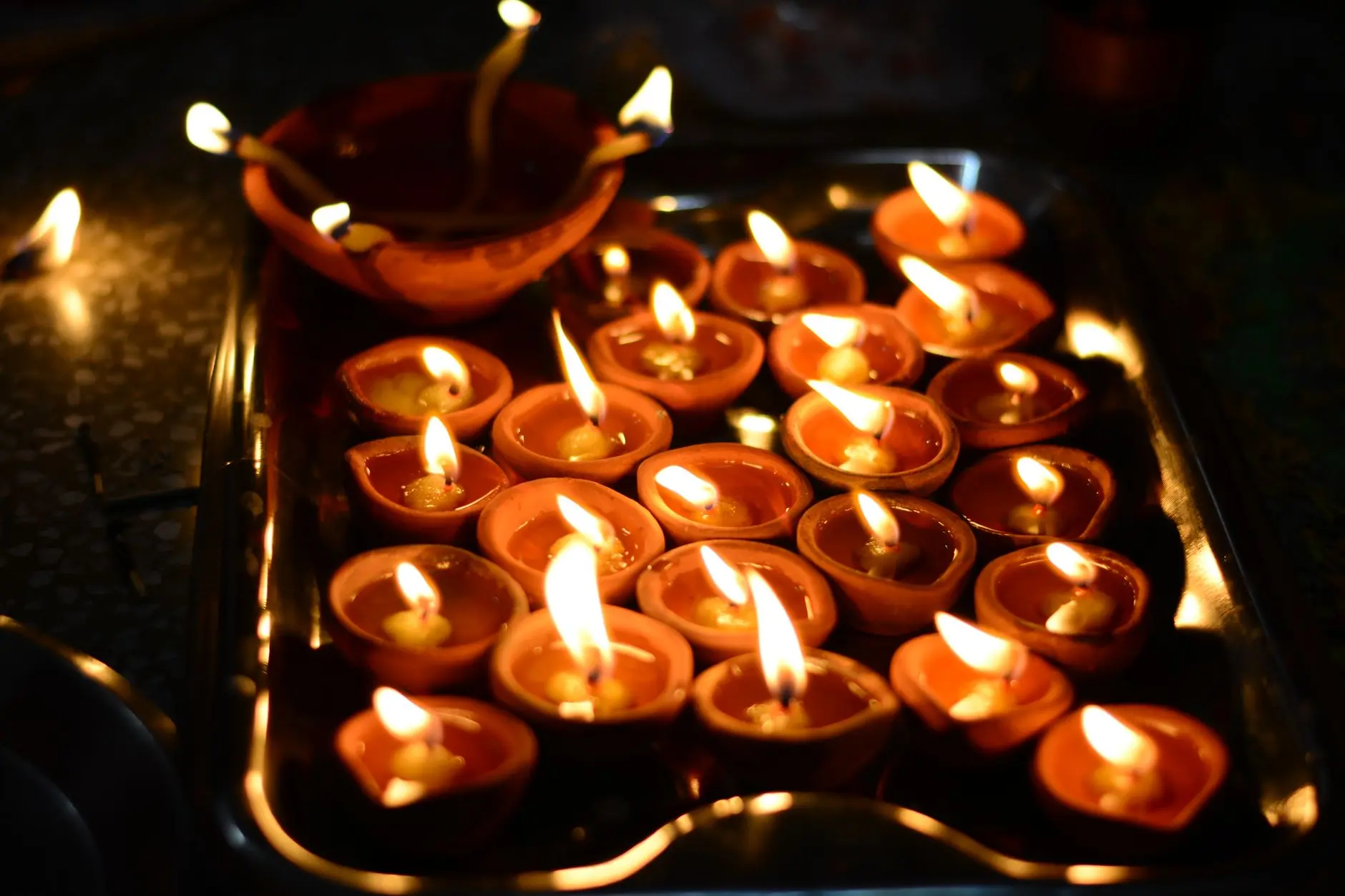
A low Elegant White Wooden Display Plinth, 30" works well beside the bride's seat to hold the shagun thali or a small floral arrangement, keeping the milk bowl and ritual items organized instead of balanced on a side table. For ambient light once the sun is fully up, Amber Fluted Tealight Candle Holders add a warm golden glow with their rippled glass texture, and a White Floral Boho Lantern with its floral cutout pattern can sit nearby to cast soft shadow detail into the background of photos. OWC Decor, based in Fort Langley and serving Metro Vancouver, the Fraser Valley and the Okanagan, can deliver pieces like these for a home setup without requiring the family to buy decor they will only use once. Browse the full collection for more options to round out the morning.
If the choora ceremony is one part of a longer wedding week that includes a mehndi, mayian or sangeet, it helps to plan the decor across each event together. The mehndi ceremony planning guide and the mayian ritual explained cover how those earlier mornings are typically staged, and the Anand Karaj guide walks through the ceremony that often follows later the same day.
Frequently Asked Questions
Is the choora ceremony a Hindu or Sikh custom?
The choora is a regional Punjabi custom observed by Sikh and Hindu families alike, not tied to a single faith. The maternal uncle's role in placing the bangles and the tying of kaleeras appear across both communities, with only small variations in timing and detail.
What colour is a traditional choora?
A traditional choora is a stack of red and ivory or off-white bangles, usually glass, plastic or lac. Brides today sometimes choose variations that include gold accents or personalized charms worked into the set, while keeping the red and ivory base.
Does every bride have a kaleera ceremony?
No. Some families fold the kaleeras into the same sitting as the choora, others tie them at a separate small gathering, and some brides choose not to include the kaleera-shaking tradition at all. It is a family preference rather than a fixed requirement.
What should guests wear to a choora ceremony?
Because this is a home gathering of close family, guests typically wear bright, comfortable Indian or Indo-western outfits rather than full formal wear. Close female relatives often coordinate loosely with the bride's colour palette for photos, but this is not a strict rule.
Can the choora be customized or modernized?
Yes. Many brides now add gold kaleeras shaped like family motifs, charms with personal significance, or bangles in non-traditional colours that still nod to the red and ivory base. Families generally treat the maternal uncle's role in giving the bangles as the fixed part of the custom, with more flexibility around the bangles' exact design.
Is the choora ceremony the same as the mayian?
No, they are separate rituals. The mayian is an earlier pre-wedding ceremony involving turmeric paste applied to the couple, while the choora ceremony is specifically about the bangles and usually happens closer to or on the wedding morning itself.
How many bangles are in a choora set?
Traditional sets often include 21 bangles split between the two wrists, though the exact count varies by region, family and the size of the bride's wrists. Modern sets sometimes use fewer, larger bangles for a cleaner look without changing the ceremony itself.
Sources and Further Reading
- Encyclopaedia Britannica, Sikhism
- Doris R. Jakobsh, Sikhism (University of Hawai'i Press)