Filipino Debut Guide: 18 Roses, 18 Candles, 18 Treasures
What a Filipino debut marks, how the cotillion and 18 rituals work, and how BC families style the hall, stage and photo areas for the night.

Mei-Lin Chen
East Asian Weddings Editor
9 min read
A Filipino debut marks a young woman's eighteenth birthday with a formal evening of ritual, dance and celebration that announces her passage into adulthood in front of family and community. The night centres on three structured traditions built around the number eighteen (the 18 roses, the 18 candles and the 18 treasures) along with a choreographed cotillion and a father-daughter dance that usually brings the room to tears before the party opens up. In Metro Vancouver, the Fraser Valley and the Okanagan, where Filipino-Canadian families have built strong, visible communities, debuts happen in banquet halls, community centres, church halls and increasingly in backyards and rented event spaces set up to hold a formal program followed by a full dance floor.
This guide walks through what a debut is, where the custom comes from, how the cotillion and the three eighteens actually run, who is involved, and how a typical program is ordered from arrival to last dance. It closes with practical guidance on styling the stage, photo area and tables for a debut hosted in British Columbia.
What is a Filipino debut?
A debut (pronounced day-BOO, following Spanish pronunciation) is a coming-of-age celebration held for a young woman's eighteenth birthday. It functions as the Filipino counterpart to the quinceañera celebrated in Latin American communities, held at eighteen instead of fifteen to line up with the Philippine legal age of majority.
The format blends a formal, somewhat theatrical program (speeches, choreographed dances, symbolic gift-giving) with a modern birthday party that runs late into the night with music, games and dancing. While debuts are traditionally celebrated for daughters, some families now host a similar eighteenth birthday program for sons, sometimes keeping the debut name and sometimes calling it simply an eighteenth birthday celebration.
Where does the debut tradition come from?
The debut grew out of centuries of Spanish colonial influence in the Philippines, layered later with American customs introduced during the period of American administration in the early twentieth century. The cotillion, the formal court of escorts, and the emphasis on presenting a young woman to society all trace back to European debutante balls that Spanish colonial society carried into the Philippines.
The choice of eighteen as the milestone age reflects Philippine law, which sets eighteen as the age of majority. Families in the Philippines and across the diaspora, including in BC, treat the debut as a flexible tradition. Some host an elaborate cotillion with a full court of eighteen; others scale the program down to a handful of close family and friends while keeping the core rituals intact.
What happens during the cotillion?
The cotillion is the formal dance portion of the evening, usually performed by the debutante and a court of friends and family members called escorts or the debutante's court. The court rehearses a choreographed routine, often a waltz-style opening followed by a more upbeat number, performed in matching or coordinated formalwear after dinner is served.
Many families treat the cotillion as the visual centrepiece of the night's photos and video, since it involves the full court moving together rather than a single spotlighted moment. The number of escorts varies widely: some debuts field a full court of eighteen pairs, while many BC families work with four, six or eight depending on budget, venue size and how many friends are able to commit to rehearsals in the weeks leading up to the event.
What are the 18 roses, 18 candles and 18 treasures?
These three rituals are the heart of a traditional debut program, each built around eighteen participants who each take a turn with the debutante.
The 18 roses involve eighteen significant men in the debutante's life (her father, brothers, uncles, godfathers and close friends) who each present her with a single rose, share a brief wish or piece of advice, and dance a few steps with her before the next rose bearer takes his turn. Her father is almost always the final rose, leading directly into the father-daughter dance.
The 18 candles involve eighteen significant women (her mother, godmothers, aunts, teachers and close friends) who each light a candle, one for every year of her life, while sharing a short memory or blessing. The candles are often arranged on a lit table or display at the front of the room and are sometimes kept as a keepsake afterward.
The 18 treasures involve a group, often close male friends or cousins, who present symbolic gifts representing wishes for her future: a Bible for faith, a bouquet for love, a book for wisdom, a jewellery piece for beauty, a piggy bank or coin for prosperity, among others. Families choose the symbols that fit their values, and the ritual is easy to adapt for a family that wants a lighter, less formal version.
Not every family runs all three rituals in full. Many BC families combine roles, shorten the list to a smaller meaningful group, or keep only the roses and candles while skipping the treasures. There is no single correct version, and good emcees build the program around what the family actually wants.
What is the father-daughter dance?
The father-daughter dance typically closes the 18 roses segment, since the father presents the final rose and leads directly into a slow dance with his daughter. It is usually the most emotional moment of the formal program, sometimes paired with a short speech from the father and occasionally a matching dance or speech from the mother earlier in the evening.
Some families extend this moment into a short dance with both parents, or follow it immediately with the debutante's grand entrance into the open dance floor portion of the night, cueing the DJ or band to shift from the formal program into the party.
What is a typical debut program order?
Programs vary by family, emcee and venue, but most BC debuts follow a sequence close to this:
- Guest arrival and cocktail hour, often with a photo area or welcome display.
- Formal entrance of the debutante, sometimes with a court processional.
- Welcome remarks, a prayer or blessing, and dinner service.
- The cotillion dance performed by the debutante's court.
- The 18 roses, closing with the father-daughter dance.
- The 18 candles.
- The 18 treasures, if included.
- Speeches from parents, siblings or close friends, and a slideshow or video tribute.
- Cake cutting, followed by open dancing, games and the rest of the party.
A full program with all three eighteens can run two to three hours on its own, so many families schedule four to six hours total once dinner, dancing and games are included. Families planning a milestone birthday on a tighter timeline may find it useful to compare notes with the graduation party and birthday party guides, since the hall setup and timeline logic overlap closely with a debut.
What do guests wear, and who pays for a debut?
The debutante usually wears a formal gown, sometimes changing into a second dress for the open dancing portion after the cotillion. Her court coordinates outfits, often in a shared colour palette chosen by the family. Guests are generally expected to dress semi-formal to formal, similar to a wedding reception, unless the invitation specifies a different dress code or theme.
Parents typically host and cover the core costs of the event, much as they would a wedding reception, though extended family and godparents (ninongs and ninangs) often sponsor specific elements such as the cake, flowers or the court's outfits as a gesture of support. Families weighing how much to budget for a milestone celebration may find the cultural wedding budgets guide useful for thinking through what different elements of a formal program tend to cost in BC.
Decor and styling for a Filipino debut
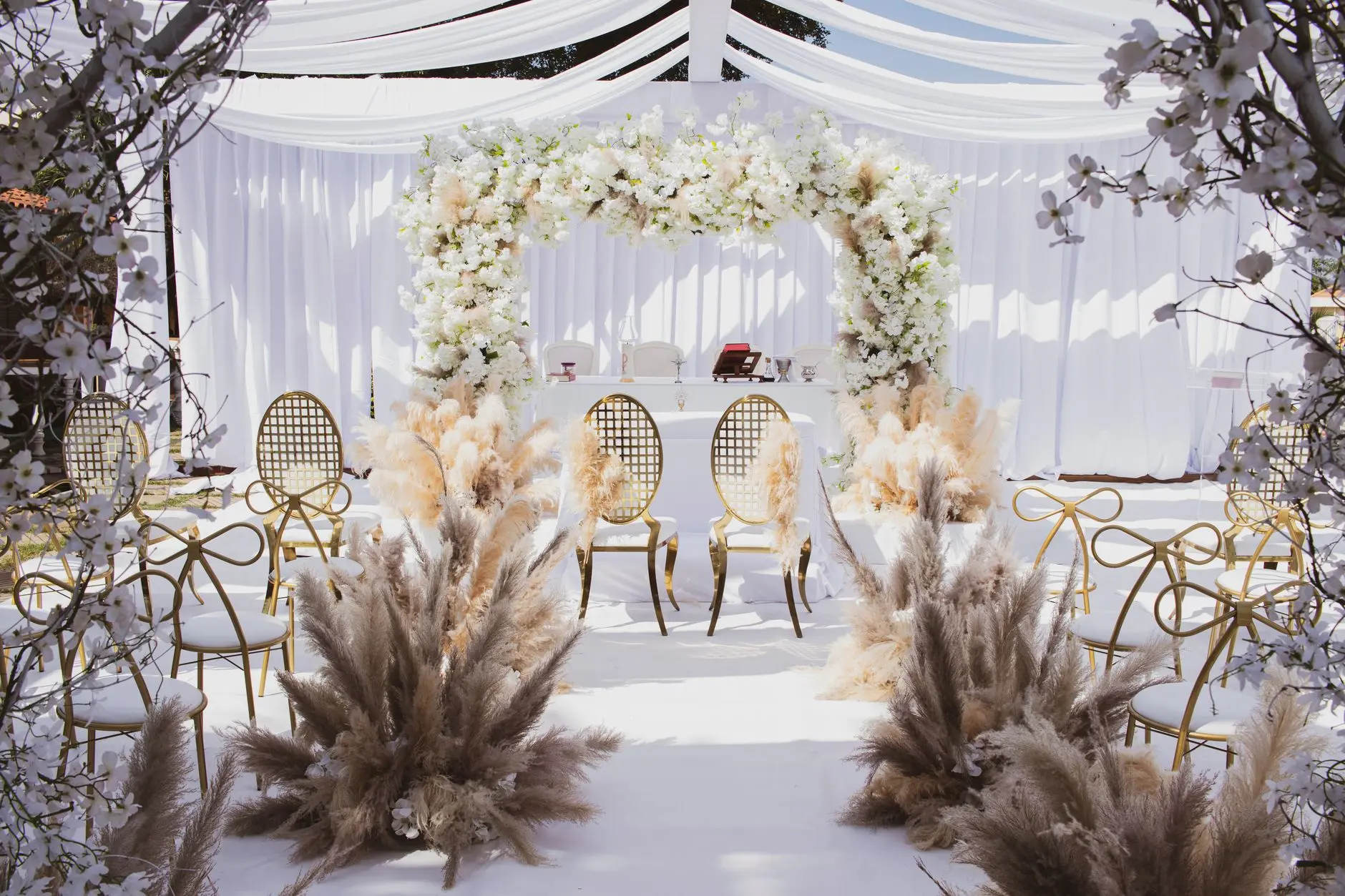
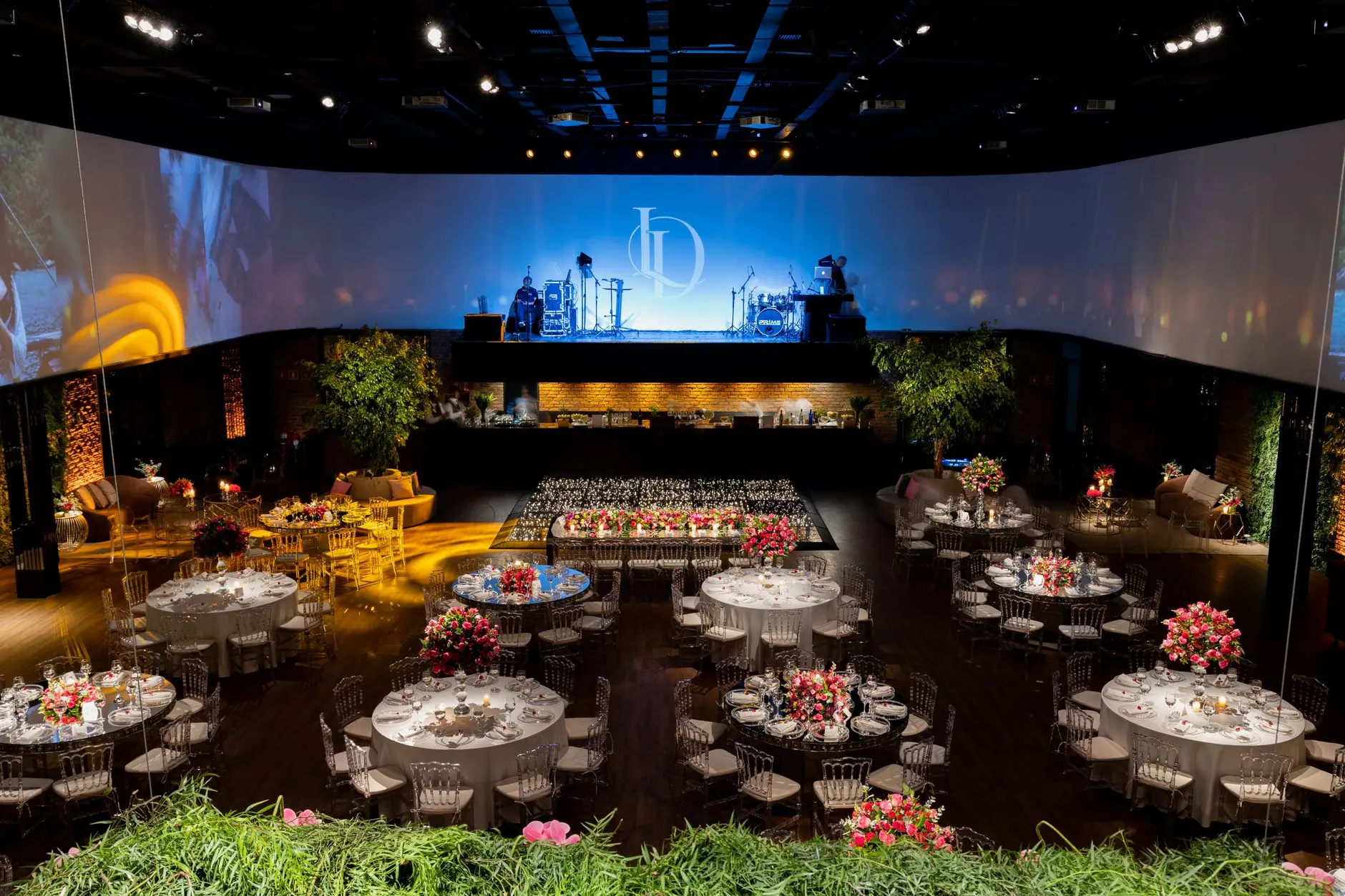
Most BC debuts happen in rented halls, community centres or banquet rooms, which means the room usually starts as a blank space that needs a stage area, a photo or welcome area, and tables set for dinner before the program begins. Building the room around the night's key moments, the cotillion, the candle lighting and the father-daughter dance, helps the photographer and guests know where to look and gives the debutante a clear focal point for her entrance.
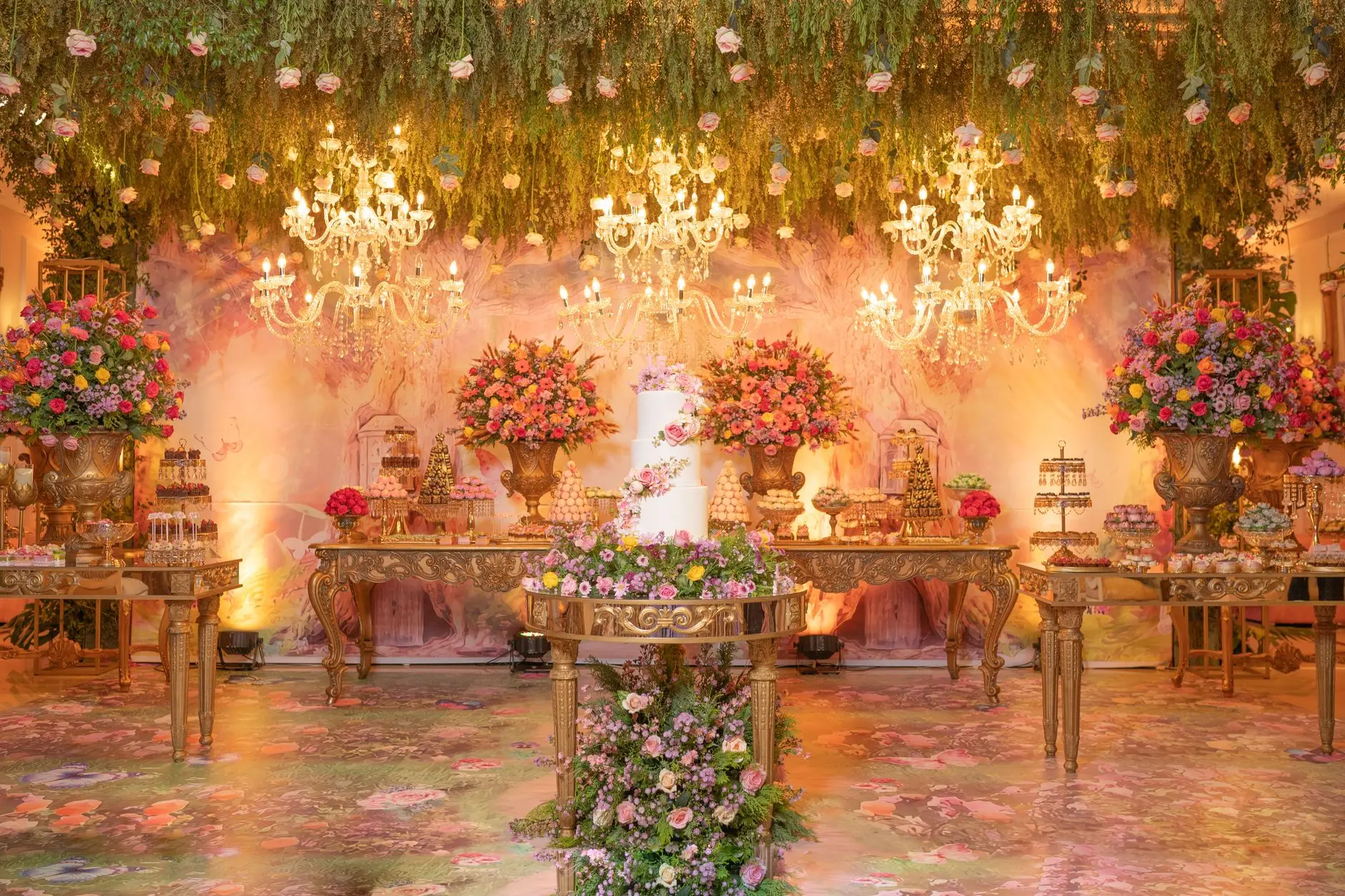
A backdrop behind the head table or dance floor gives the room an anchor for photos and for the cotillion performance. The Luxury Three Panel Backdrop with Working Lamps stands roughly eight feet tall with integrated working lamps, which creates a warm focal point for the cotillion and the father-daughter dance without needing additional lighting rigged in. For the 18 roses and 18 candles table, a set of Elegant Clear Taper Candle Holders adds height and a classic look that photographs cleanly as each woman comes forward to light her candle.
Display plinths are useful for staging the 18 treasures or the cake at the front of the room: the Elegant White Wooden Display Plinth, 42" works well as a tall anchor piece, paired with the Elegant White Wooden Display Plinth, 30" to build visual layers around it. A welcome or program sign near the entrance helps guests find their seats and understand the order of the night; the White Hanging Sign Stand displays a welcome sign or program card cleanly against most hall backdrops. OWC Decor, based in Fort Langley, rents pieces like these to families across Metro Vancouver, the Fraser Valley and the Okanagan who are setting up a hall or community space for a debut from scratch. Browse the full collection for more pieces to round out the stage, the photo area and the tables.
Frequently Asked Questions
Is a Filipino debut the same as a quinceañera?
They serve a similar purpose as formal coming-of-age celebrations. A debut marks the eighteenth birthday and draws on Filipino and Spanish colonial customs. The rituals differ too: a quinceañera centres on a Mass and a change of shoes, while a debut centres on the 18 roses, 18 candles and cotillion.
Does a debut have to include all three eighteens?
No. Many families keep all three rituals, while others run only the roses and candles, or shorten the group to a smaller number of meaningful people. The structure is flexible and families adapt it to fit their budget, guest list and personal preferences.
Can boys have a debut?
Traditionally the debut is celebrated for daughters, but some families now host a similar eighteenth birthday program for sons, sometimes keeping the debut name and sometimes framing it simply as a milestone birthday celebration with its own program.
Is a debut a religious event?
A debut is not inherently a religious service, though many Filipino families, particularly those with Catholic backgrounds, begin the day with a thanksgiving Mass or a short blessing before the evening program. The format and any religious element vary by family.
How long does a debut celebration last?
A full formal program with the cotillion, 18 roses and 18 candles typically runs two to three hours on its own. Most families budget four to six hours total once dinner, speeches and open dancing are included.
What should the debutante's court wear?
Court members usually coordinate outfits in a shared colour palette chosen with the debutante, often formalwear that photographs well together for the cotillion. Many families choose the palette early so dresses and suits can be ordered or altered in time for rehearsals.
Who typically pays for a debut in BC?
Parents generally host and cover the main costs, similar to a wedding reception, while extended family and godparents often contribute toward specific elements such as the cake, flowers or the court's outfits as a form of support.
Sources and Further Reading
- Encyclopaedia Britannica: Quinceañera (comparative context for Latin American and Filipino coming-of-age celebrations)
- National Commission for Culture and the Arts, Philippines (official body for Philippine cultural heritage)
- Official Gazette of the Philippines, Republic Act No. 6809 (law establishing eighteen as the age of majority)
- Statistics Canada: Filipino Canadians census profile (demographic data on Filipino communities across Canada, including British Columbia)