Godh Bharai: The Indian Baby Shower, Explained
What a godh bharai is, its regional names like seemantham and valaikaapu, when it happens, the rituals, guests, and how BC families host it.

Priya Iyer
South Asian Weddings Editor
11 min read
A godh bharai is the baby shower celebrated by families with roots across North India, most often within Hindu tradition, usually held in the seventh or eighth month of pregnancy to welcome a first child and bless the mother-to-be with an easy delivery and a healthy baby. The phrase translates loosely to "filling the lap," and the rituals built around it, filling the mother's lap with fruit, sweets, gifts and coins, go back generations as a way for the women of the family to surround her with blessings before the baby arrives. The ceremony sits alongside regional cousins across the subcontinent that mark the same milestone under different names, with different rituals and different timing, which is why a godh bharai in a Punjabi household in Surrey can look quite different from the seemantham held by a Tamil family in Kelowna.
For families organizing one of these celebrations in Metro Vancouver, the Fraser Valley or the Okanagan, the godh bharai has become one of the few South Asian life-cycle events that regularly blends tradition with the western-style baby shower many guests also attend for friends or coworkers outside the community. Understanding what belongs to the ritual, what is optional, and what shifts by region and family helps hosts plan a day that honours both.
What is a godh bharai?
At its core, a godh bharai is a gathering of the women in a family, usually led by the expectant mother's own mother or mother-in-law, to shower her with gifts, sweets and blessings before childbirth. The ceremony centres on the idea of filling: fruit, sweets and small gifts are placed in her lap or in the folds of her sari or dupatta as a symbol of abundance and protection for the baby to come. Elders often apply a tilak (a mark on the forehead) and perform a small aarti, a ritual of waving a lit lamp in front of the mother-to-be, as part of the blessing.
Traditionally the ceremony carries the hope that a loving, protected pregnancy will lead to a safe delivery. Families today treat that meaning lightly: the religious gesture is brief, usually a few minutes within a longer afternoon of food, music and gift-giving, and the rest of the day looks much like any baby shower.
What are the regional names for this ceremony?
Godh bharai is the Hindi and North Indian name, but the same milestone is marked across South Asia under several other names, each with its own emphasis.
- Seemantham: The term used by Tamil and Telugu families, most often in South Indian communities, sometimes held slightly earlier in pregnancy and centred on blessings from both sets of grandparents.
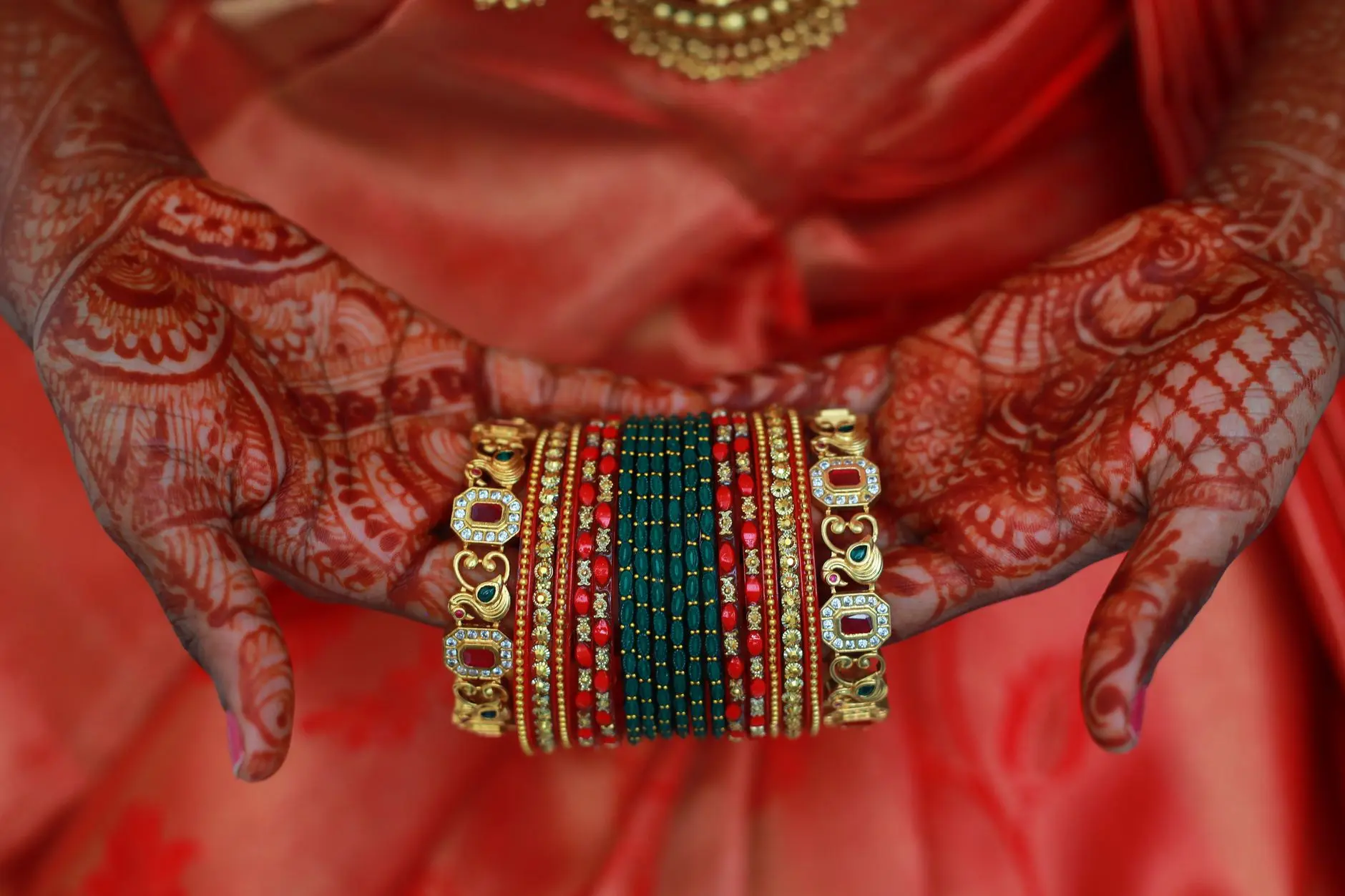
- Valaikaapu: A Tamil ceremony, often held alongside or instead of seemantham, built around the mother-to-be being adorned with rows of colourful glass bangles, a ritual believed to bring joy and protection with their sound.
- Saadh (also spelled sadh): The term used in some Punjabi households, with a structure close to godh bharai but shaped by Punjabi food, music and gift customs.
- Godh bharai: The most widely used North Indian and Hindi term, common among Hindi, Gujarati, Marwari and many Punjabi families.
Many Punjabi families who are Sikh do not hold a formal pregnancy ritual in the same way, though they often host an informal baby shower that borrows elements of godh bharai, such as the mother wearing a bright outfit gifted by her in-laws and receiving sweets and gold, without the religious gestures tied to Hindu custom. Fusion households in BC, where partners come from different regions or faiths, often pick and choose the pieces that feel meaningful rather than running every ritual from every tradition in full.
When does the godh bharai happen during pregnancy?
Most families hold the godh bharai in the seventh month, with some waiting until the start of the eighth. Odd-numbered months are generally considered more auspicious in this tradition, which is part of why the seventh month is so common, though some South Indian families observe a slightly earlier version tied to the fifth or seventh month depending on regional and family custom. A few families consult a priest or family elder for a specific date, while others simply pick a weekend that works around work schedules and travel for relatives flying in from out of province.
Timing also factors in how visibly pregnant the mother-to-be is comfortable being for photographs and a few hours of standing, sitting and being the centre of attention. Late in the third trimester is generally avoided, both for her comfort and out of a general wish to hold the celebration before the final weeks before delivery.
What happens during a godh bharai, step by step?
The order of events varies by family and region, but most godh bharai celebrations in BC follow a similar shape.
- Arrival and seating. The mother-to-be is seated on a decorated chair, swing or small stage set up as the focal point of the room, often facing the main gathering area so guests can approach her in turn.
- Tilak and aarti. An elder, often the mother-in-law or the expectant mother's own mother, applies a tilak and performs a short aarti, waving a lit diya (small oil lamp) in front of her as a blessing.
- Filling the lap. Fruit, sweets, dried fruit and small gifts, sometimes coins or gold, are placed in her lap or in the fold of her dupatta by the senior women present, one after another.
- Bangles and jewellery. In many South Indian households this is the valaikaapu portion of the day: rows of glass bangles in bright colours are slid onto her wrists, sometimes dozens at a time, as a separate ritual within the larger event.
- Songs and games. Traditional lullabies or folk songs are sung by the older women, a custom meant to soothe the baby even before birth. Modern shower games, from guessing the baby's due date to diaper raffles, are often layered in alongside.
- Feeding a sweet. A close family member, often the mother-in-law, feeds the expectant mother a sweet directly by hand, a small gesture of care that closes out the ceremonial portion of the afternoon.
- Meal and gifts. A full meal follows, and the mother-to-be opens gifts from guests, a format that looks close to any western baby shower.
Who is invited to a godh bharai?
Historically the godh bharai was a women-only event, hosted by the maternal side of the family and attended by close female relatives, neighbours and friends. That pattern still holds in some households, particularly for the ceremonial portion of the day. Many BC families now run a coed version from the start, with fathers, grandfathers, siblings and male friends included for the meal and gift-giving even if the ritual blessing itself remains a smaller, women-led moment within the larger party.
Guest lists tend to be smaller and more intimate than a wedding, often 20 to 60 people, concentrated on immediate and extended family plus close friends. Coworkers and casual acquaintances are more often invited to a separate, simpler office or friend-group shower rather than the family godh bharai itself.
What does the mother-to-be wear, and what do guests wear?
The mother-to-be typically wears a bright colour, commonly yellow, green or another festive shade considered auspicious, and the outfit is often a gift from her in-laws or her own parents for the occasion. A sari, lehenga or anarkali suit is common, chosen with comfort in mind given how long she will be sitting and standing through the ceremony and photographs. Black and white are generally avoided for the mother-to-be, since both colours are linked with mourning in many South Asian communities. This custom varies by family, and some mothers-to-be wear whatever colour suits their personal style regardless.
Guests usually dress in festive Indian wear, saris, salwar kameez, lehengas or kurta sets, though smart casual western dress is increasingly common for mixed guest lists and younger relatives. Many families now set a colour theme for the party decor and quietly suggest it to guests as well, which keeps photographs cohesive without requiring a strict dress code.
How is godh bharai celebrated by South Asian families in BC today?
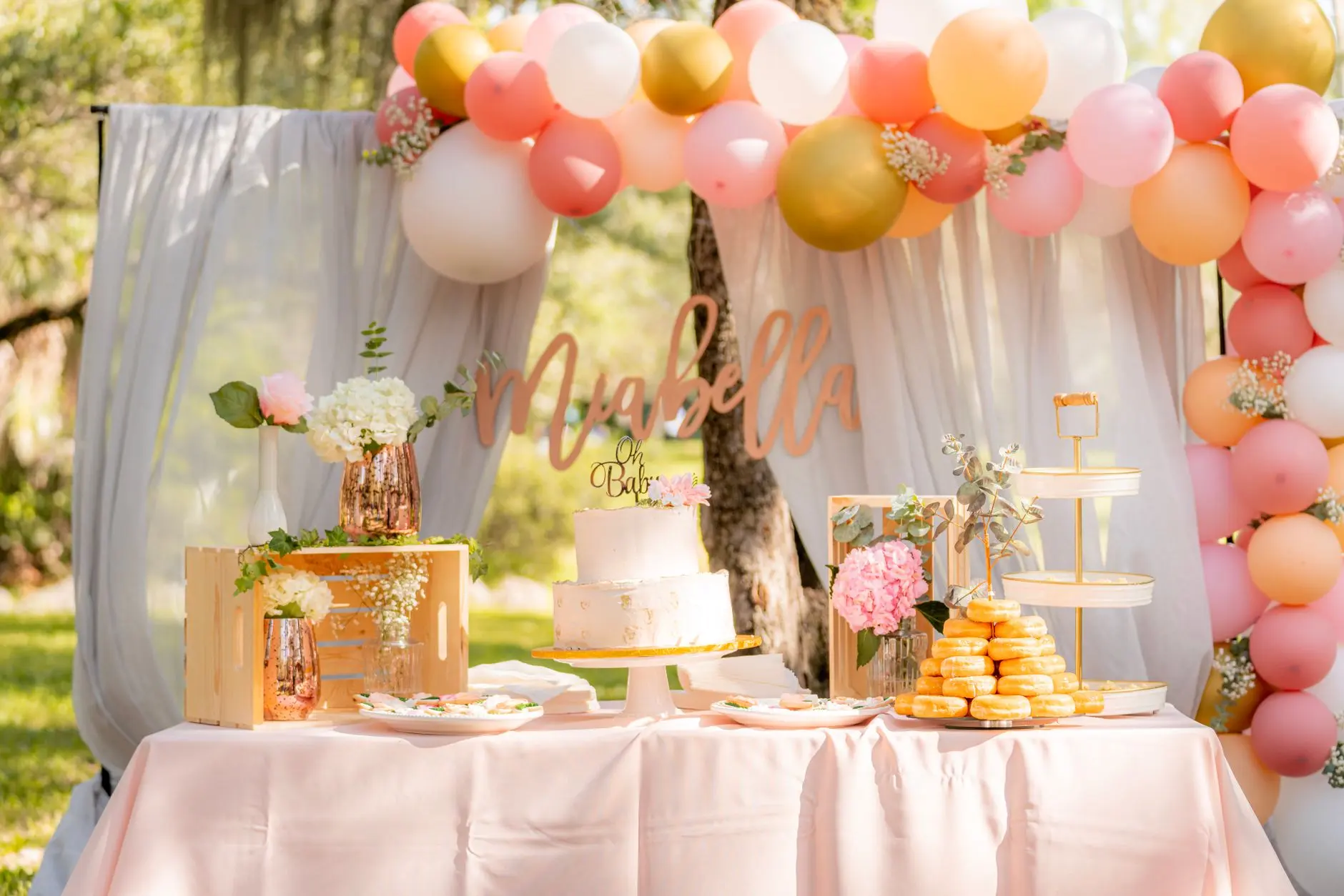
Across Metro Vancouver, the Fraser Valley and the Okanagan, godh bharai celebrations most often happen in backyards, community halls or family homes, with timing built around BC's weather as much as around auspicious dates. Spring and summer afternoons allow for an outdoor setup with a decorated seating area for the mother-to-be and a separate dining and gift table, while fall and winter versions move indoors with the same structure scaled to the room. Catering usually features regional South Asian dishes alongside a dessert table, and many families add western shower touches, a diaper raffle, a guessing game for the baby's due date or sex, a sign-in book, that sit comfortably next to the traditional lap-filling ritual.
The result is often a blended event: a short, meaningful ceremony rooted in regional tradition, followed by a few hours that look and feel like any other baby shower, with food, music and a room full of people happy to celebrate before the baby arrives.
Decor and styling for a godh bharai
Most godh bharai setups need two zones: a decorated seat for the mother-to-be that reads as the focal point of the room, and a dessert or gift table that can handle a crowd without looking cluttered. OWC Decor's rental catalogue includes pieces suited to both of these needs, and a soft, warm palette, blush, sage, ivory or gold, tends to photograph well against both indoor and outdoor BC backdrops, working whether the family is leaning traditional or more modern in its styling.
For the seat itself, the Ivory Muse Loveseat gives the mother-to-be a comfortable, photogenic spot to sit through the ceremony, with its curved back and warm wooden frame suiting both an indoor hall and a garden setup. Behind her, the Gold Arch Backdrop creates a clean focal point that can be dressed with florals, fabric or balloons to match the party's colour scheme. A Mauve/Pink Floral Arrangement, with its mauve and ivory hydrangeas and pink orchids in a textured urn, works well flanking the seating area or styled on the gift table.
For the sweeter, more playful side of the room, the 'Oh Baby' Neon Sign gives guests a built-in photo moment, and the Stroller Floral Arrangement makes a charming statement piece near the entrance or gift table. For the dessert spread, the Food & Dessert Display Package brings together acrylic, white-and-gold and wooden stands so sweets and finger foods stay organized and within easy reach for guests. Families planning a fuller shower day can browse the full collection for linens, candle holders and seating to round out the room.
For more on planning a South Asian baby shower in a specific BC city, see the guides to baby shower decor in Surrey and baby shower decor in Vancouver. Families also hosting a haldi or mehndi earlier in the wedding season may find the haldi ceremony guide useful for comparing timelines and styling.
Frequently Asked Questions
Is godh bharai the same as a baby shower?
It covers similar ground, celebrating an upcoming baby with gifts, food and guests, but a godh bharai includes specific rituals like the tilak, aarti and lap-filling that a western-style baby shower does not include. Many BC families now blend the two into one event.
Can a godh bharai be held for a second or third baby?
Yes, though it is traditionally most elaborate for a first child. Families often hold a smaller, simpler version for later pregnancies, often limited to close family with a shorter guest list.
Who traditionally hosts the godh bharai?
The maternal side of the family, often the expectant mother's own mother, traditionally hosts and leads the ceremony, though the mother-in-law and in-laws play a central role in gifting the outfit and jewellery. Many families today split hosting duties between both sides.
Do men attend a godh bharai?
Historically it was a women-only gathering, and some families still keep the core ritual that way. Many households in BC now host a coed event, with the ceremonial portion kept smaller and the meal and gift-giving open to everyone.
What is the difference between seemantham and valaikaapu?
Seemantham is the broader South Indian pregnancy ceremony, similar in purpose to godh bharai, while valaikaapu specifically refers to the bangle ritual, sliding rows of glass bangles onto the mother-to-be's wrists. The two are often held together as part of the same event.
What colours should the mother-to-be avoid wearing?
Black and white are generally avoided because both colours are linked with mourning in many South Asian communities, though this custom varies by family and region. Bright colours like yellow, green and pink are the most common choices.
How far in advance should a family plan a godh bharai?
Four to six weeks is usually enough time to book a venue or backyard setup, order decor and confirm catering, especially since the date is tied to a fairly narrow window in the pregnancy. Booking earlier gives more flexibility on weekend dates during busy spring and summer months.